By Urban Shihemi, March 5, 2026
Kenya is set to begin exporting hundreds of thousands of live sheep to Algeria this year ahead of the upcoming Eid al-Adha, following high-level engagements between the Government of Kenya and the Algerian government aimed at strengthening livestock trade between the two countries.
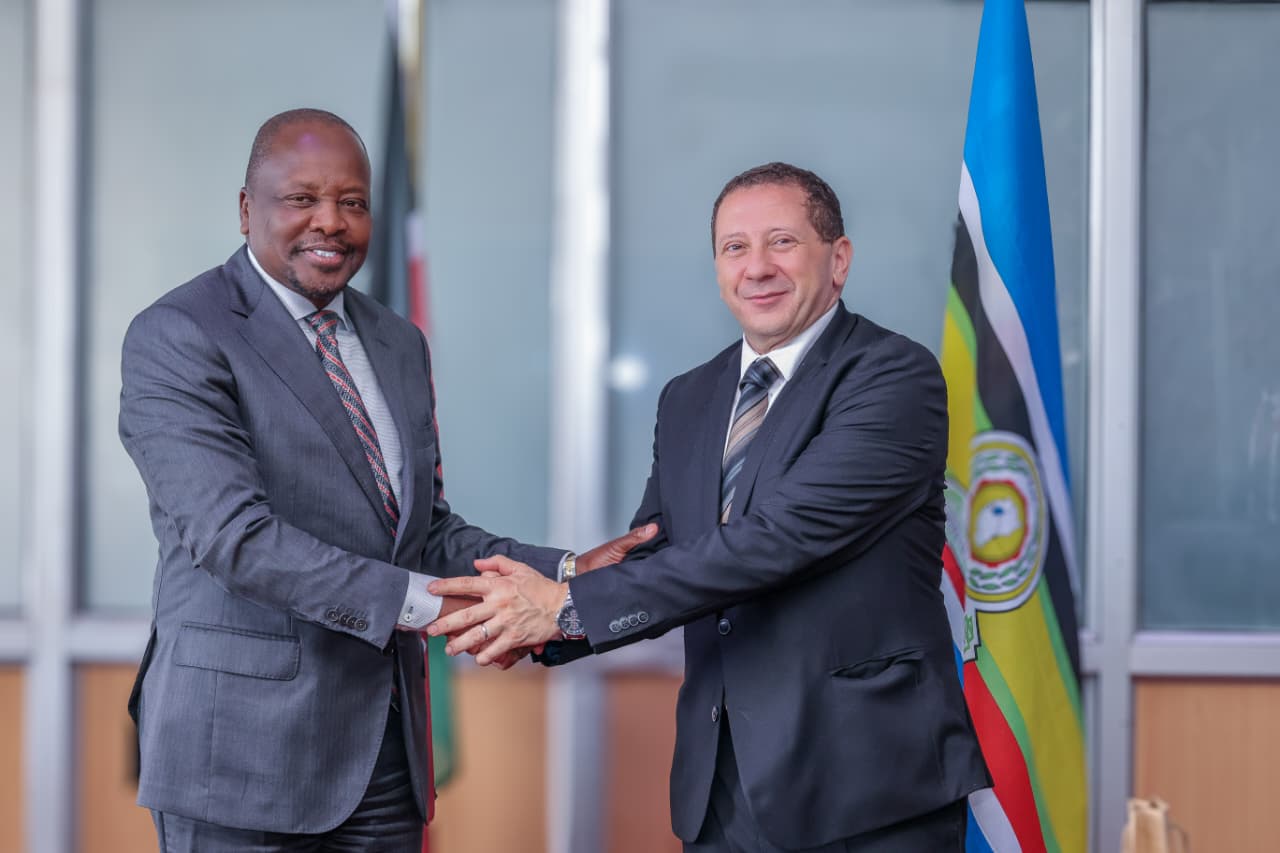
Cabinet Secretary for Agriculture and Livestock Development, Sen.Mutahi Kagwe, held talks with the Algerian Ambassador to Kenya, Farid Ouahid Dahmane, focusing on accelerating the export of Kenyan livestock to Algeria and deepening agricultural trade ties between the two nations. The discussions come a week after a technical delegation from Algeria visited Kenya to assess the country’s livestock sector and evaluate its capacity to supply sheep to the North African market.
The Algerian delegation, comprising officials from the Ministry of Agriculture, Rural Development and Fisheries and representatives of the Algerian Red Meat Corporation, was hosted by the State Department for Livestock Development led by Secretary Administration Joshua Chepchieng and attended by Director of Veterinary Services Dr.Allan Azegele.The team toured and evaluated Kenya’s sheep production systems with the aim of identifying potential suppliers and establishing supply channels for Algeria’s growing demand for live animals.
Algeria is currently implementing a major government-backed livestock import program that could require up to one million sheep, particularly to meet demand during the Eid celebrations. Kenyan officials say the program presents a major opportunity for local farmers, traders, and livestock producers, as it is not only aimed at meeting short-term demand for Eid but is expected to become an annual procurement program worth billions of shillings, providing a stable export market for Kenyan livestock.
Government officials say Kenya’s livestock sector is increasingly gaining recognition in international markets for its quality and reliability. By opening export channels such as the Algerian market, the government aims to ensure that livestock farmers benefit from better prices and stable demand while strengthening the country’s position as a major livestock exporter.
Beyond sheep exports, discussions between the two sides also explored broader agricultural cooperation under the African Continental Free Trade Area framework, which seeks to promote trade between African nations before sourcing goods from outside the continent. Kenya expressed interest in importing fertilizer from Algeria to support its agricultural sector, noting that the country is currently a major importer of fertilizer globally. In 2024, Algeria donated 16,000 metric tonnes of urea fertilizer to Kenya, and both governments are now exploring long-term commercial arrangements that could make Algerian fertilizer more accessible and affordable to Kenyan farmers.
The talks also touched on collaboration in livestock health, including the supply of animal vaccines produced by the Kenya Veterinary Vaccines Production Institute (KEVEVAPI). Kenya is currently expanding its vaccine production capacity, with CS Kagwe noting that the country has already attracted interest from other African markets seeking reliable supplies of livestock vaccines.
Additional areas of cooperation discussed include the export of Kenyan dairy products such as powdered milk, trade in processed agricultural products including packed tea and mango products, and growing opportunities for exports of avocado and macadamia. Algeria also expressed interest in supporting Kenya’s agricultural development in arid and semi-arid regions through the supply of date palm seedlings for cultivation in counties such as Wajir and Garissa, as well as potential academic and agricultural exchange programs.
The CS and the Ambassador say the engagement signals a shift from discussions to implementation, with both governments keen to establish long-term trade links that will allow Kenyan farmers to benefit from consistent export markets while strengthening agricultural cooperation between the two countries. If fully implemented, the livestock export program could position Kenya as a key supplier of sheep to Algeria and significantly boost the country’s livestock export earnings in the coming years.