By Urban Shihemi , January 15, 2026
In a decisive move to safeguard livestock and pastoralist livelihoods, Cabinet Secretary for Agriculture and Livestock Development, Mutahi Kagwe, has directed the establishment of national animal feed reserves aimed at preventing billion-shilling losses during drought.
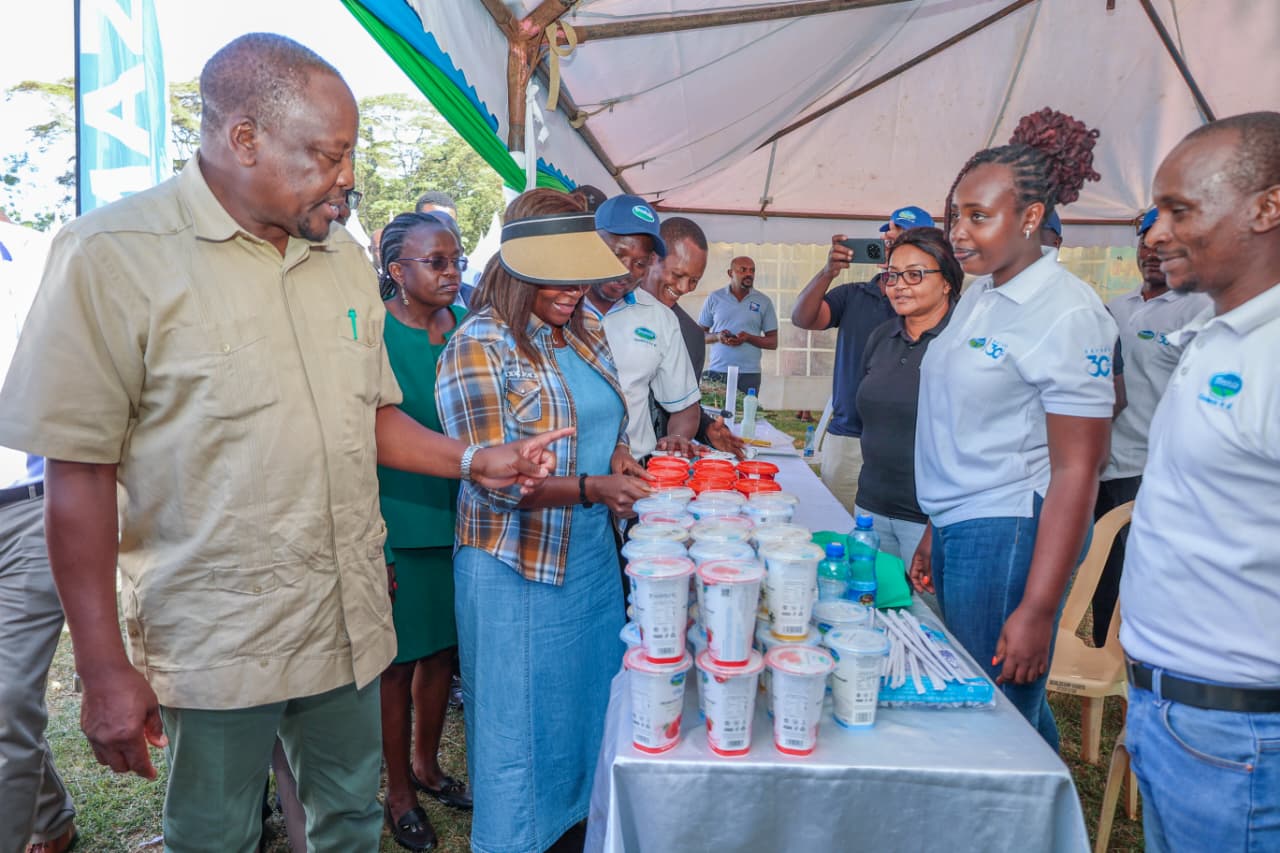
Speaking during the launch of the Emkitha Dairy Cooperative Union in Embu County, Kagwe highlighted the devastating impact of past droughts, noting that the last one claimed over 2.5 million livestock and caused economic losses exceeding KSh 50 billion, crippling pastoralist communities across Arid and Semi-Arid Lands (ASAL).
“Drought is no longer an emergency; it is a recurring reality. We must act before losses occur. The Government is committed to protecting pastoralist assets through structured feed and water provision, animal off-take programmes, and disease control measures, while ensuring long-term strategies are in place to prevent future droughts from escalating into emergencies,” Kagwe said.
Under the new directive, strategic animal feed reserves; including silage, hay, and other drought fodder, will be stockpiled during periods of surplus and deployed during dry spells.
Counties will lead in planning, stocking, and distributing feed, with national government support providing coordination, funding, and technical assistance.
Cooperatives will serve as delivery agents, ensuring feed reaches the actual livestock owners efficiently. Early warning systems will trigger timely feed deployment, preventing distress sales and livestock deaths.
“We cannot allow drought to destroy livestock livelihoods. Feed reserves are critical to stabilizing incomes, protecting food production, and reducing losses worth billions of shillings,” Kagwe emphasized.
To complement this, strict measures will be enforced to prevent the free movement of livestock from counties affected by Foot and Mouth Disease (FMD) and other outbreaks, with County Commissioners and security forces tasked with enforcement. Vaccination campaigns, including for anthrax, will be intensified, and biosecurity at livestock checkpoints strengthened.
Drought has continued to affect most areas, especially in northern Kenya, severely. A report by the Kenya Red Cross Society revealed that in Rhamu Sub-County in Mandera County, over 70 livestock had perished from the droughts, highlighting high needs for intervention.
The 10 counties identified to be facing critical conditions are Wajir, Mandera, Garissa, Kilifi, Kitui, Marsabit, Kwale, Kajiado, Isiolo, and Tana River.