By Habiba Hamisi, 3rd December 2025
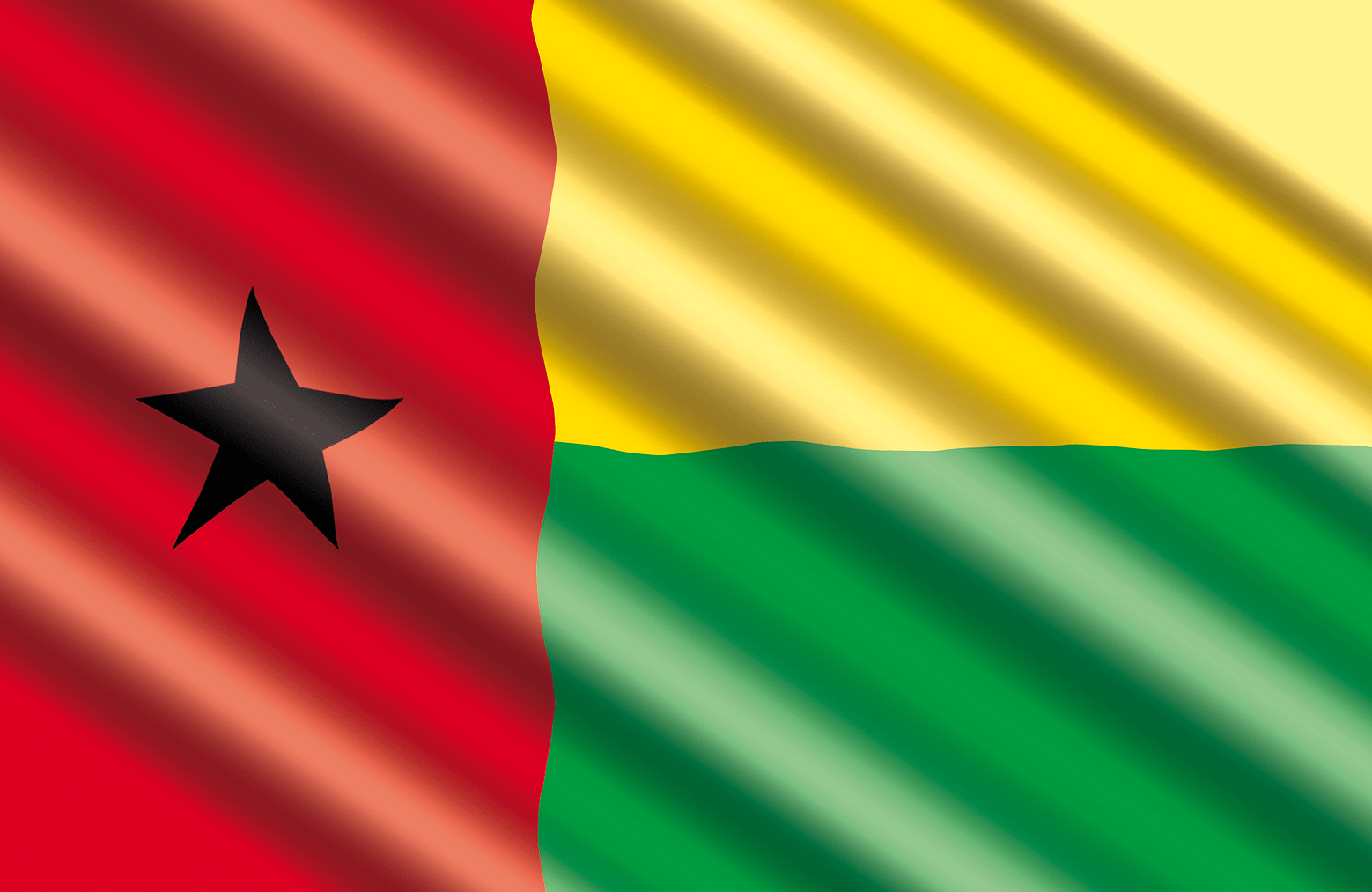
Guinea-Bissau recently experienced a military takeover just days after a presidential election, but many remain uncertain whether it was a genuine coup or a carefully planned political move.
Following reports of gunfire near the presidential palace, President Umaro Sissoco Embaló was detained, and military leaders announced they had assumed control. Despite this, the military refused to label the event as a "coup," claiming their actions were necessary to prevent a conspiracy involving unnamed politicians and a notorious drug trafficker aimed at destabilizing the country.
The takeover came shortly after a presidential vote where Embaló sought a second term, facing opposition candidate Fernando Dias da Costa, who was backed by former Prime Minister Domingos Pereira. Pereira had been disqualified from the election due to procedural issues.
After the military seized power, the election results were suspended, and authorities blocked their release. The electoral commission’s office was attacked, with critical documents and servers destroyed, making it impossible to publish official outcomes.
Several key figures, including Embaló, Pereira, the Interior Minister, and the army chief, were detained during the upheaval.
Guinea-Bissau has faced numerous coups since gaining independence in 1974, and its reputation as a center for drug trafficking complicates the political landscape. Some regional leaders have suggested that the military’s actions might have been orchestrated by Embaló himself, adding to the uncertainty surrounding the event.
The situation raises serious questions about Guinea-Bissau’s political stability and democratic future.