By Urban Shihemi, February 26, 2026
The Intergovernmental Authority on Development (IGAD) has concluded a landmark four-day consultative dialogue aimed at revolutionizing cross-border agricultural trade through digital innovation, signaling a bold step toward more integrated and resilient food systems across the Horn of Africa.
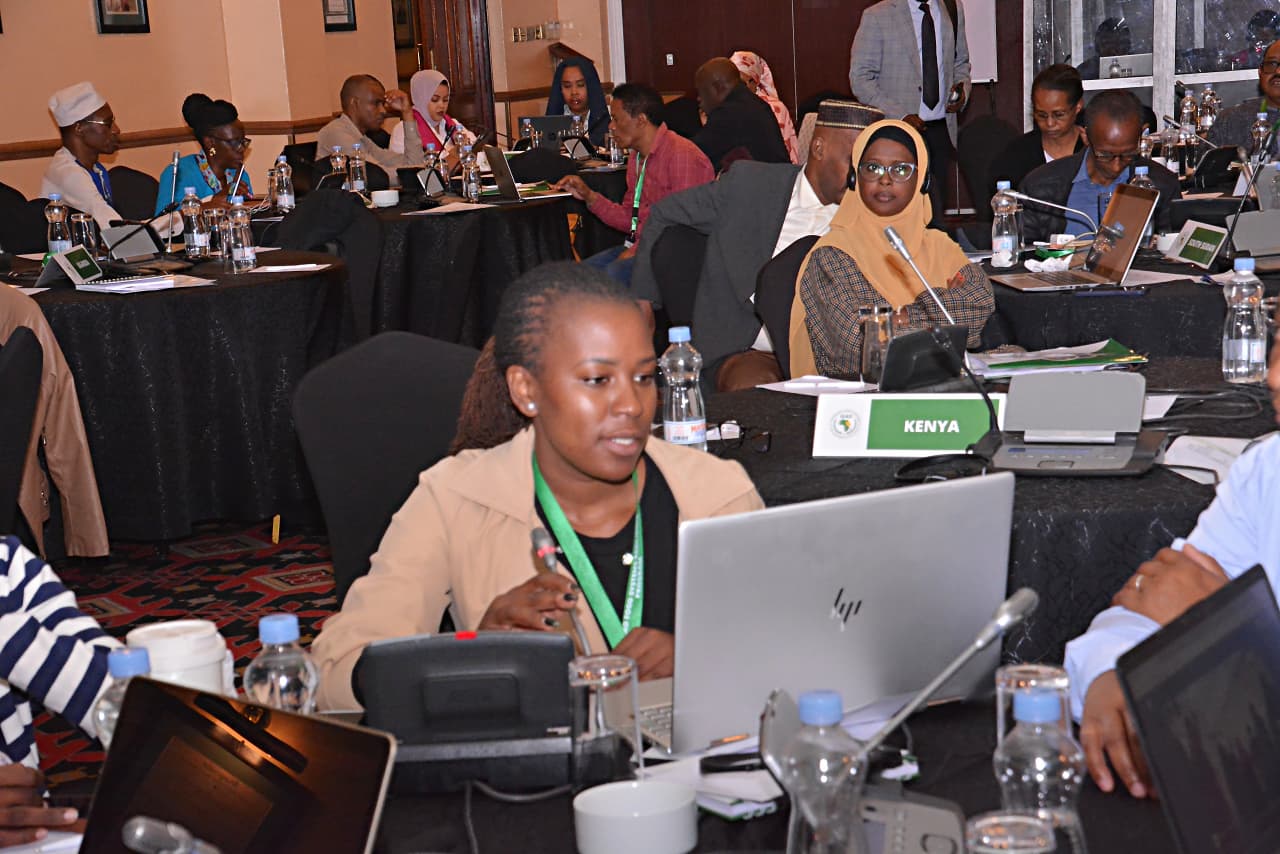
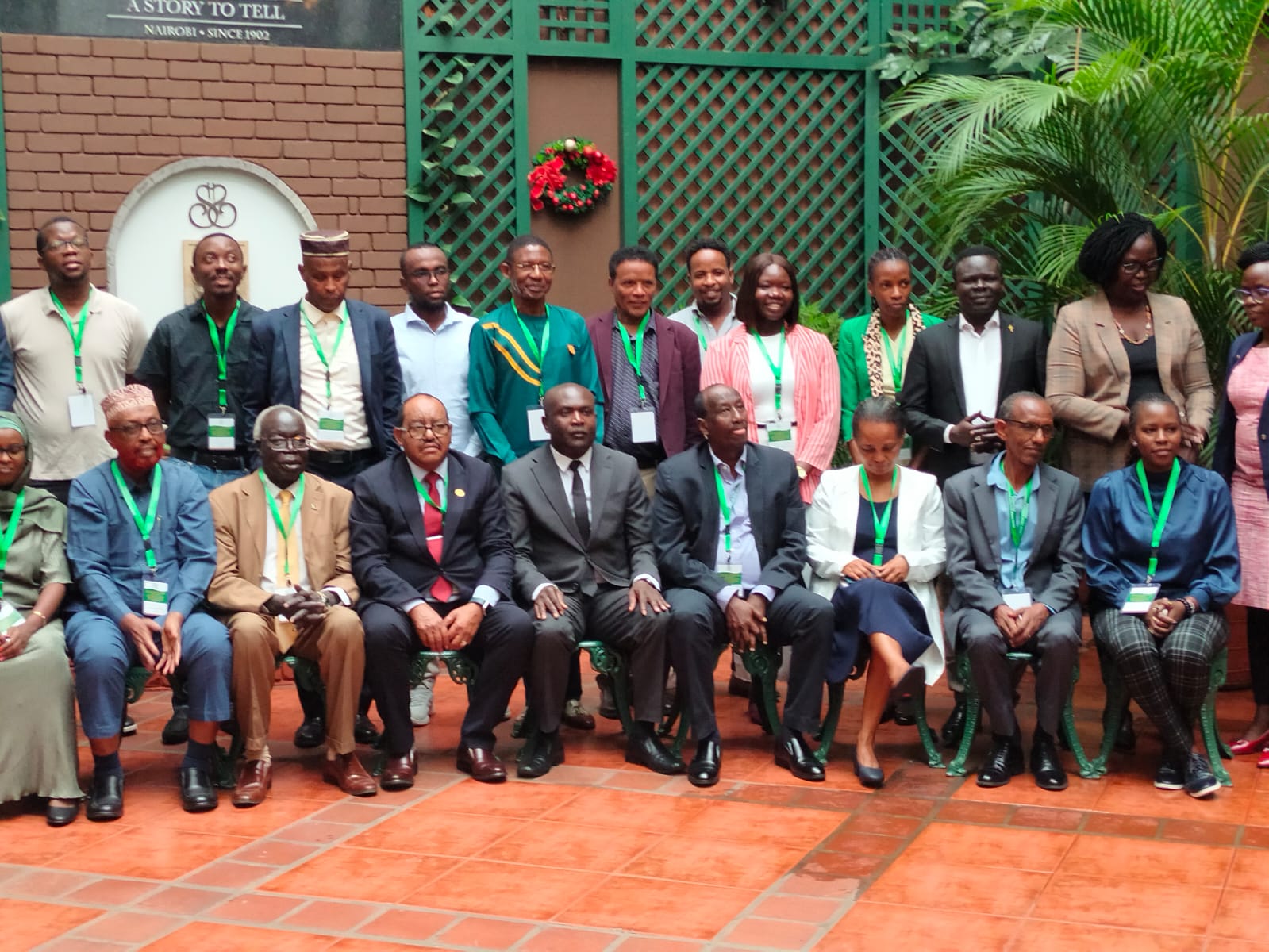
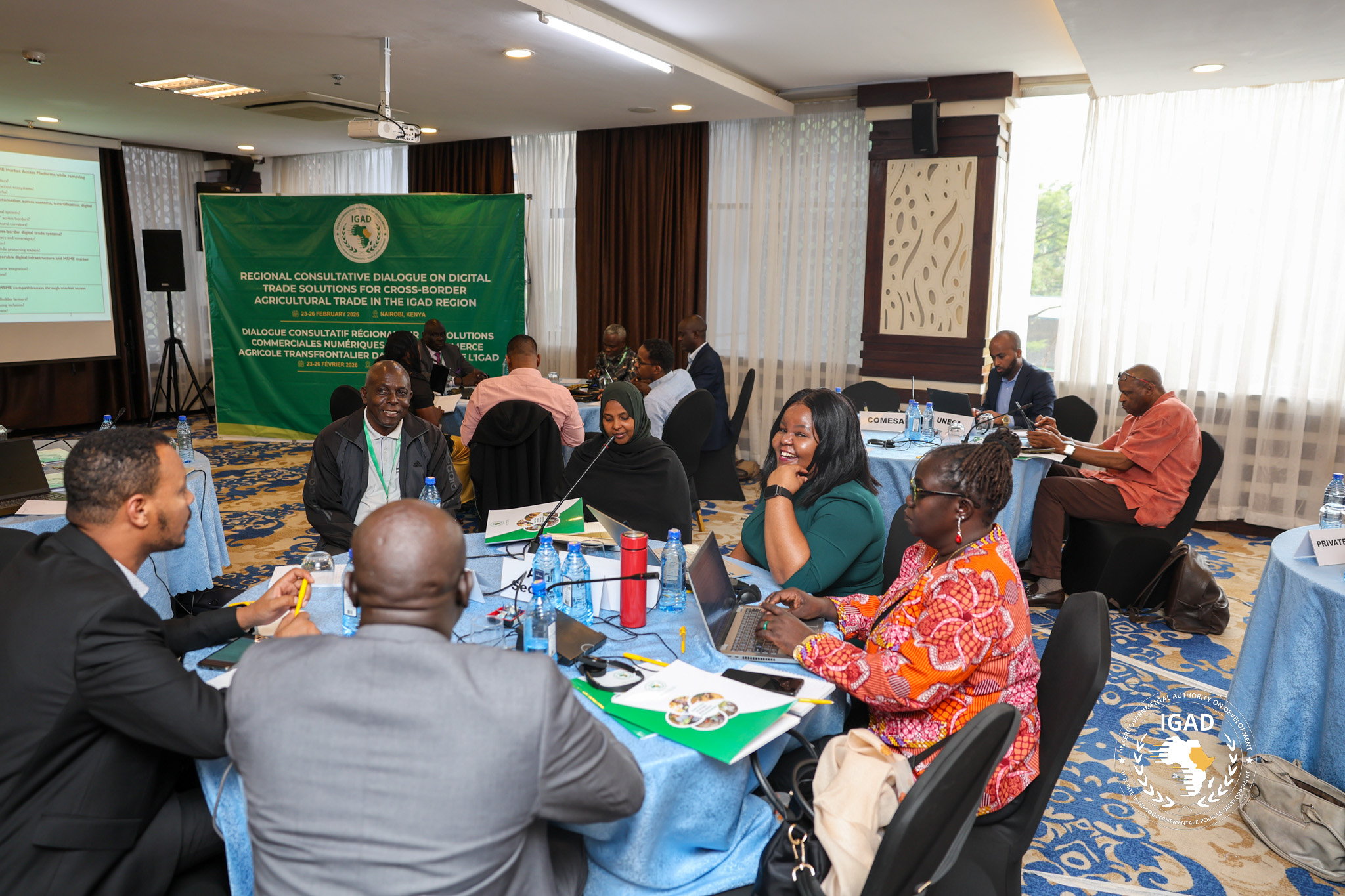
The high-level Consultative Dialogue on Digital Trade Solutions for Cross-Border Agricultural Trade convened policymakers, technical experts, private sector leaders, and development partners from IGAD Member States. Over four days, participants engaged in intensive deliberations to identify practical digital tools capable of reducing trade barriers, enhancing transparency, and strengthening food security in a region heavily reliant on agriculture.
Speaking at the closing session, Kenya’s Ambassador to Djibouti and accredited representative to IGAD, George Macgoye, underscored both the immense potential and the persistent challenges facing cross-border agricultural trade.

George Macgoye, Kenya's Ambassador to Djibouti and accredited to IGAD
He noted that digital innovations ranging from interoperable trade information platforms and electronic certification systems to simplified customs procedures present transformative pathways to modernize food systems. However, he cautioned that systemic bottlenecks continue to slow progress.
“These innovations can significantly reduce transaction costs and post-harvest losses,” Ambassador Macgoye observed, adding that fragmented trade governance, weak compliance with Sanitary and Phytosanitary (SPS) and Technical Barriers to Trade (TBT) standards, inadequate certification infrastructure, and inefficient border procedures remain critical hurdles.
He emphasized that dismantling these constraints is essential not only for improving efficiency but also for ensuring inclusive participation of smallholder farmers, micro, small and medium enterprises (MSMEs), women, and youth groups that form the backbone of agricultural trade in the region.
IGAD’s Director, Dr. Mohi Tahomi, described the dialogue as a crucial milestone in aligning regional initiatives with continental frameworks, particularly the African Continental Free Trade Area (AfCFTA) Digital Trade Protocol.
Dr. Tahomi highlighted Africa’s rapid expansion in mobile connectivity and digital services as a unique opportunity to scale innovative trade solutions. He stressed that harmonizing digital platforms across member states would be vital to overcoming fragmented systems that currently limit efficiency.
“Interoperability is key,” he noted. “Farmers, traders, and cooperatives must be able to access streamlined services across borders without navigating disconnected systems.”
The AfCFTA Digital Trade Protocol, he added, provides a policy framework that can guide IGAD’s efforts in building coherent, transparent, and technology-driven trade ecosystems.
Participants from ministries of trade, agriculture, and transport shared operational experiences from across the region, identifying priority corridors and value chains where digital tools could yield quick, measurable results.
Discussions revealed that weak traceability systems, limited data sharing, and cumbersome border procedures often lead to export rejections, shipment delays, and high transaction costs. These challenges disproportionately affect vulnerable groups, particularly smallholder farmers and informal cross-border traders who lack the resources to navigate complex regulatory landscapes.
In sectors such as grain and livestock both critical to food security and regional economies, digital tools such as electronic documentation, digital marketplaces, automated customs processing, and real-time trade monitoring dashboards were identified as game changers.
By leveraging digital innovation to dismantle structural trade barriers, IGAD Member States are positioning the region for more efficient markets, reduced food losses, and inclusive growth.
If successfully implemented, the outcomes of this dialogue could redefine cross-border agricultural trade in the Horn of Africa transforming it from a fragmented system into a digitally connected marketplace that works for farmers, traders, and consumers alike.