By Urban Shihemi, December 22,2025
The Intergovernmental Authority on Development (IGAD) Regional Agrifood Systems Investment Plan (RASIP) 2026–2035 has entered its final phase, with member states preparing for validation following fresh requests by Kenya and Uganda for additional information and more time to review the document.
Regional experts meeting under the IGAD framework agreed that while the plan is largely complete, further consultations are necessary to address outstanding concerns raised by the two countries.
Kenya and Uganda said more detailed information is required to ensure the plan fully captures key priorities.
“We believe the plan needs more detailed information to ensure it fully captures the key priorities of member states and effectively responds to the persistent food security challenges facing the region,” a Kenyan representative said.
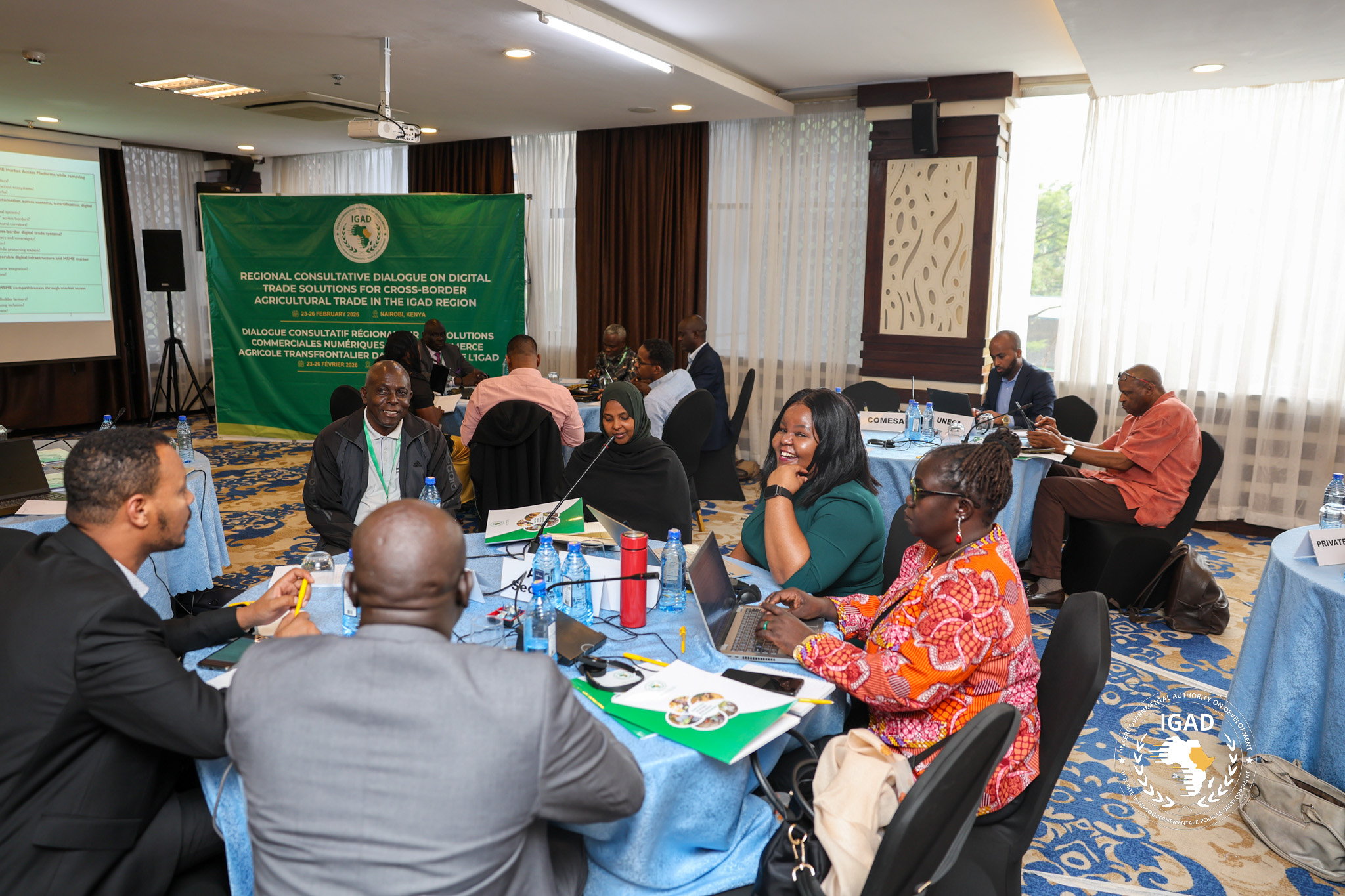
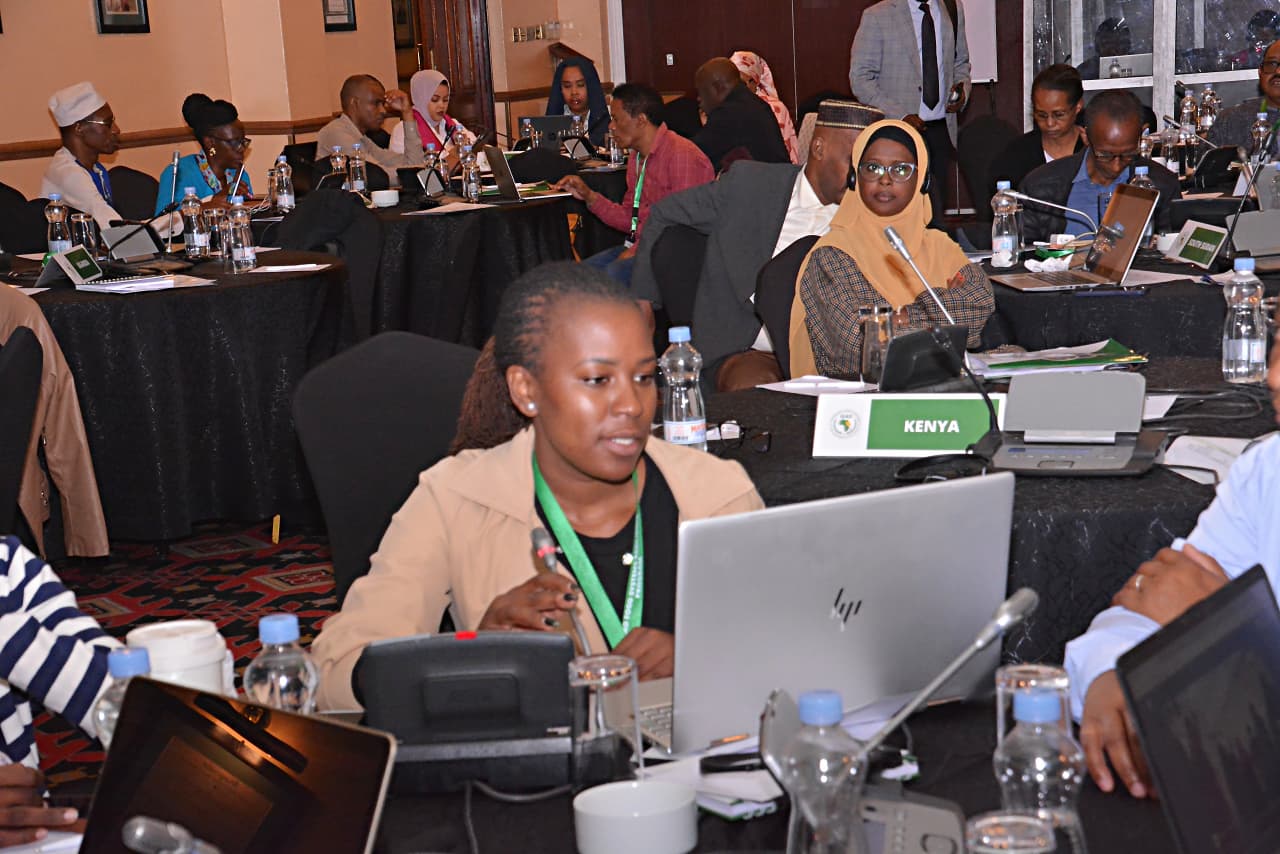
The requests were discussed during a two-day regional experts validation of IGAD regional agrifood systems investment plan 2026-2035 meeting, where experts emphasized the importance of a thorough review process to strengthen the quality, credibility and ownership of the plan among member states.
“The validation of the IGAD regional agrifood systems investment plan 2026-2035 will take place in January next year, following a thorough review and the incorporation of all necessary information raised by member states,” said Dr. Senait Regassa, Coordinator of the IGAD Food Systems Resilience Program.
Officials noted that allowing additional time would help refine critical components related to implementation, financing and coordination at both national and regional levels.
IGAD officials said feedback from Kenya, Uganda and other member states will be incorporated into the final draft ahead of the validation process. The revised document is expected to be shared with member states before the formal validation meeting scheduled for early 2026.
Once validated, the RASIP 2026–2035 is expected to guide regional investments in agrifood systems, enhance resilience to climate shocks, improve food and nutrition security and support sustainable livelihoods across IGAD member states.
The final phase of the process is seen as a crucial step toward building consensus and ensuring the plan delivers practical and long-term solutions to the food security challenges facing the Horn of Africa and the wider IGAD region.